
How Often to Sealcoat Commercial Parking Lots
Table of Contents
How Often Should Commercial Parking Lots Be Sealcoated
The 2-3 Year Baseline
When to Reseal More Frequently
When to Extend the Interval
How Long Does Parking Lot Sealcoating Last
Factors That Shorten Sealcoat Lifespan
Factors That Extend Sealcoat Lifespan
Signs a Parking Lot Needs Sealcoating
Visual Inspection Checklist
When Sealcoating Won't Help
Best Time of Year to Sealcoat a Parking Lot
Spring and Fall Windows
Weather and Curing Requirements
Parking Lot Sealcoating Aftercare
First 48 Hours
Ongoing Maintenance Between Sealcoats
Tailoring Sealcoating Frequency to Your Lot
High-Traffic Commercial Properties
Low-Traffic Lots and Seasonal Use
Lifecycle Cost Approach
Frequently Asked Questions
Last Updated: October 7, 2026
How Often Should Commercial Parking Lots Be Sealcoated
Most property managers wait too long before they sealcoat commercial parking lots, often asking about it after the pavement has already started failing.
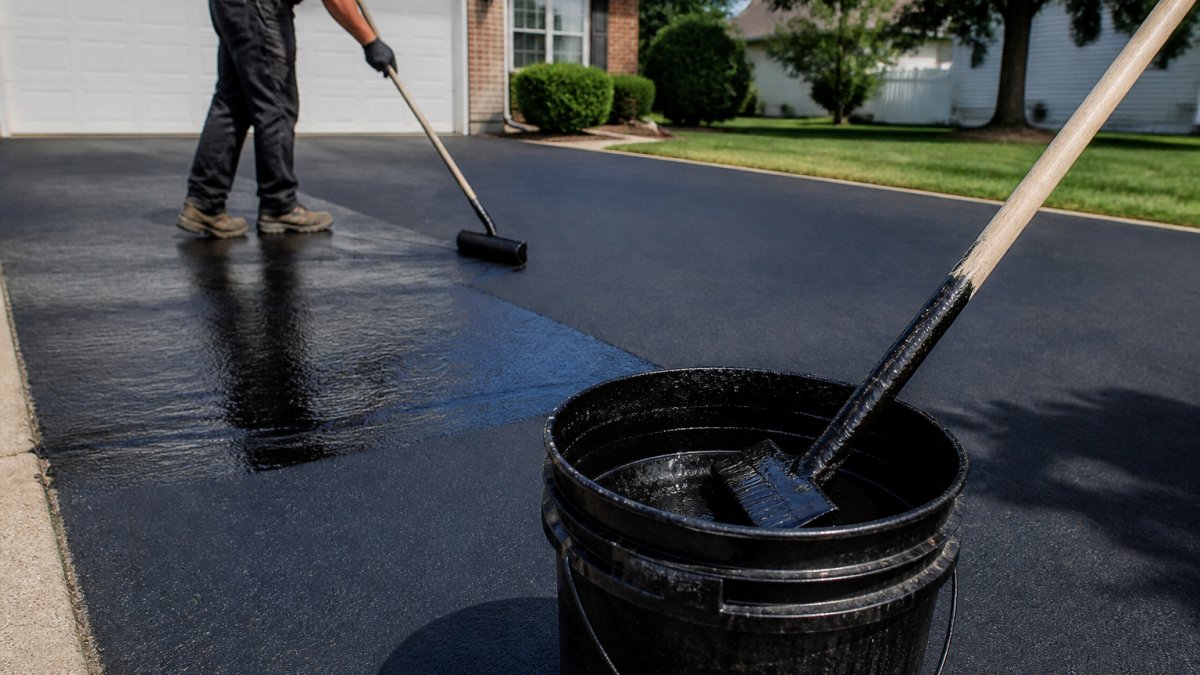
Sealcoat commercial parking lots every 2 to 3 years under normal conditions. This interval protects your asphalt from water, oil, and UV damage while keeping maintenance costs predictable.
The difference between lots lasting 15 years and those needing expensive repairs by year 5 is consistent sealcoating on the right schedule.
The 2-3 Year Baseline
Two to three years is the standard interval for most commercial parking lots in normal conditions, matching how long a quality sealcoat protects the asphalt beneath it.
Think of sealcoating like sunscreen for pavement: it wears down from traffic, weather, and UV exposure.
The 2-3 year window works because:
New sealcoat remains effective for 24-36 months
Most commercial lots see moderate traffic that doesn't accelerate wear
Regional freeze-thaw cycles don't destroy fresh sealcoat in that timeframe
If your lot sits idle half the year (seasonal retail, storage), you might stretch to 3-4 years.
When to Reseal More Frequently
High-traffic commercial properties need sealcoating more often than the baseline:
Parking lots with heavy vehicle turning: Delivery zones, loading areas, and tight configurations concentrate wear in braking and turning zones, losing sealcoat protection faster than open spaces.
Lots in direct sunlight all day: UV breaks down sealcoat faster. With minimal shade, reseal every 18-24 months instead of 3 years.
Properties where water pools: Standing water after rain indicates poor drainage. Sealcoat deteriorates faster where moisture lingers. Reseal every 18-20 months if pooling is visible.
High-traffic areas often need spot treatment between full applications. Ask your contractor about targeted touch-ups in the worst-wear zones.
When to Extend the Interval
Some lots can safely go 3-4 years between sealcoats without risking pavement damage:
Low-traffic properties: Office parks, seasonal storage lots, or small retail spaces with light parking demand can stretch intervals to 3-4 years.
Recently sealed pavement: If you applied sealcoat within the last 12 months, don't reseal early. Let it work for the full cycle.
Lots with excellent drainage: Properties where water runs off quickly and doesn't pool can handle longer intervals because moisture damage is minimal.
Even with favorable conditions, don't skip inspection: a 4-year interval should include a walk-through at year 3 to confirm the sealcoat is holding up.
How Long Does Parking Lot Sealcoating Last
Sealcoat lifespan varies by conditions, and understanding what affects durability helps you predict the next application.
Quality sealcoating typically lasts 24-36 months under normal commercial use. Ideal conditions (low traffic, good drainage, minimal sun) can stretch it to 4 years; harsh conditions (heavy traffic, poor drainage, intense UV) may degrade it noticeably by 18 months.
The coating doesn't disappear overnight; it gradually thins. By month 24 you've lost roughly 50% of the protective barrier, and by month 36 most of the benefit is gone.
Factors That Shorten Sealcoat Lifespan
Several conditions accelerate sealcoat breakdown:
Heavy vehicle traffic: Every braking event, turn, and acceleration wears the coating. Lots with 500+ vehicles daily lose protection faster than those with 50.
Intense UV exposure: Sun breaks down the binder. Lots without shade fade and lose protection 6-12 months faster than shaded areas.
Water exposure and poor drainage: Standing water, sprinkler overspray, and high groundwater accelerate failure by seeping under the coating and breaking the bond to asphalt.
Factors That Extend Sealcoat Lifespan
Maximize sealcoat durability with smart practices:
Minimal traffic volume: Lots used only for occasional parking or seasonal storage see less wear, and sealcoat often lasts 4+ years.
Excellent drainage: Properties graded to shed water quickly protect sealcoat from moisture damage. Proper drainage is one of the best sealcoat investments you can make.
Shade and tree cover: Covered parking and mature trees reduce UV exposure. Shaded sealcoat lasts 20-30% longer than exposed surfaces.
Signs a Parking Lot Needs Sealcoating
Waiting for obvious failure is expensive. The best time to reseal is when sealcoat is losing effectiveness but the asphalt is still sound.

Visual Inspection Checklist
Walk your lot and look for these signs:
Color fading: Fresh sealcoat is dark black. When it fades to gray, protection is waning, often the first sign resealing is due.
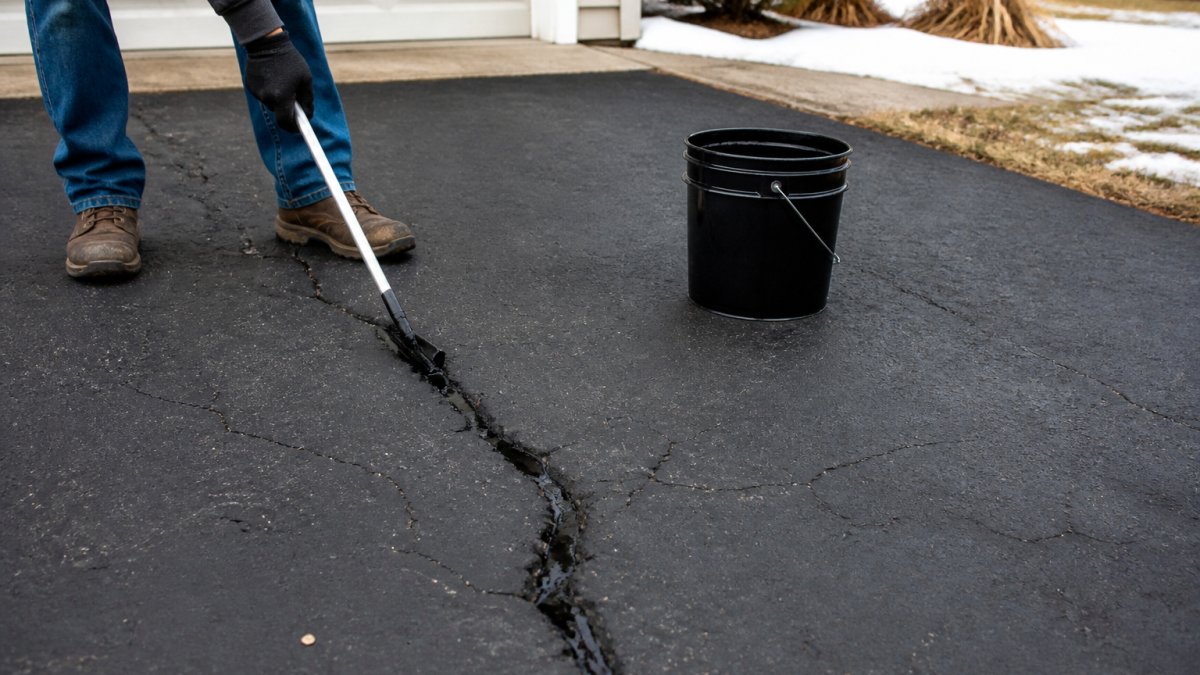
Surface cracks: Hairline cracks indicate sealcoat is breaking down and allow water to seep beneath the coating.
Visible oxidation: Pavement looks dull and chalky instead of glossy, meaning UV has broken down the binder.
Pro Tip Schedule a professional inspection every 12 months. A contractor can assess sealcoat condition and predict when resealing is needed before you spot obvious wear. This prevents emergency repairs.
When Sealcoating Won't Help
Sealcoating is preventive maintenance. It protects sound asphalt from deterioration. It does NOT repair existing damage.
Do not sealcoat if:
Potholes are visible: Potholes mean the asphalt base has failed. Sealcoating over them wastes money; patch or mill-and-overlay first.
Alligator cracking covers more than 20% of the surface: This pattern indicates structural failure, with asphalt breaking apart beneath the surface. Sealcoating won't stop it.
The pavement is severely rutted: Deep ruts mean the base is compromised. Sealcoating a rutted lot is cosmetic only and won't extend pavement life.
When damage is extensive, sealcoating delays the inevitable and wastes budget. Invest in repair instead.
Best Time of Year to Sealcoat a Parking Lot
Timing matters for sealcoat to cure properly and bond to asphalt. Wrong timing means poor adhesion and premature failure.
Spring and Fall Windows
Spring (April through May) is the ideal window: mild temperatures, nighttime lows above 50°F, and less frequent rain, so sealcoat cures properly.
Fall (September through October) is second-best, with moderate temps, lower humidity, and stable weather.
Avoid summer sealcoating if possible: heat causes rapid curing that traps air bubbles and creates weak spots.
Never sealcoat in late fall or winter.
Weather and Curing Requirements
Sealcoat needs specific conditions to cure:
Temperature: Minimum 50°F at application, ideally 60-85°F. Curing continues 48 hours, so nighttime temperatures must stay above 50°F.
No rain: Rain in the first 48 hours ruins the cure. Avoid application if rain is predicted within 2 days.
Low humidity: High humidity slows curing. Apply on dry, clear days when possible.
Professional contractors schedule around these requirements; budget contractors sometimes apply in marginal conditions to meet deadlines. Demand proper conditions, it's the difference between sealcoat lasting 3 years and failing in 12 months.
Watch Out Never allow traffic on freshly sealed pavement before 48 hours have passed. Even light vehicle movement can damage the cure and create permanent marks. This is non-negotiable.
Parking Lot Sealcoating Aftercare
What you do after sealcoating determines whether the investment lasts 2 years or 4 years.
First 48 Hours
The first two days are critical. Sealcoat is curing and vulnerable to damage:
Keep all traffic off the lot. This includes employee vehicles, delivery trucks, and customer parking. Rope off or sign the lot.
Don't allow water on the surface. No sprinkler overspray, pressure washing, or rain. If rain is forecast within 48 hours, reschedule.
Avoid sweeping or cleaning. Let the sealcoat cure undisturbed.
After 48 hours, sealcoat is cured enough for normal traffic. Full hardness takes 7 days, so avoid heavy traffic (loaded trucks, frequent turning) for a week if possible.
Ongoing Maintenance Between Sealcoats
Maintenance between applications extends sealcoat life:
Sweep regularly: Remove debris, leaves, and dirt. Debris traps moisture and accelerates deterioration.
Pressure wash annually: Remove oil film, algae, and dirt buildup. Clean pavement shows sealcoat lasting 10-15% longer.
Address spills immediately: Oil and fuel eat through sealcoat. Clean spills within hours, not days.
Simple maintenance between applications costs a few hundred dollars per year. Skipping it costs thousands in premature resealing or pavement repair.
Tailoring Sealcoating Frequency to Your Lot
The 2-3 year baseline works for average lots. Your lot is not average. Adjust your schedule based on actual conditions.
High-Traffic Commercial Properties
Lots with heavy vehicle movement need aggressive sealcoating schedules:
Fleet yards and delivery zones: 18-24 months between applications. Constant turning and braking wear sealcoat faster than typical parking.
Gas stations and service bays: 12-18 months. Oil and fuel damage sealcoat. Plan for frequent resealing.
Busy retail parking lots: 24 months. High vehicle volume accelerates wear. Don't stretch to 3 years.
High-traffic lots also benefit from spot resealing. Rather than wait 2 years for a full reseal, apply sealcoat to the worst-wear zones (turning areas, braking zones) every 12 months. This extends the whole lot's life while keeping costs manageable.
Low-Traffic Lots and Seasonal Use
Properties with minimal vehicle movement can extend intervals:
Office parks with light parking: 3-4 years. Low traffic means minimal sealcoat wear.
Seasonal retail (holiday, storage): 4 years if used only part of the year. Sealcoat lasts longer with minimal traffic.
Storage and overflow lots: 3-4 years. Infrequent use means less wear.
Even low-traffic lots need sealcoating. Don't skip applications to save money: unprotected asphalt deteriorates from UV and weather regardless of traffic volume. A low-traffic lot that goes 6+ years without sealcoating will need expensive repairs by year 8-10.
Lifecycle Cost Approach
The cheapest sealcoating schedule isn't always the best. Compare long-term costs:
Aggressive schedule (every 18-24 months): Higher annual cost but extends pavement life to 15-20 years, lowering total cost per year of pavement life.
Baseline schedule (every 2-3 years): Moderate annual cost. Pavement lasts 12-15 years. Mid-range lifecycle cost.
Neglect (no sealcoating): Zero annual sealcoating cost but pavement fails by year 5-7. Repair or replacement costs $3-8 per square foot. Total lifecycle cost is highest.
Calculate your lot's lifecycle cost:
Estimate annual sealcoating cost (frequency × contractor rate)
Estimate pavement lifespan under your plan (typically 12-20 years)
Divide total sealcoating investment by pavement lifespan
Add repair and replacement costs if pavement fails early
A lot that costs $2,000 to sealcoat every 2 years and lasts 15 years costs $2,000 per year. A lot that costs $0 in sealcoating but fails at year 5 and needs $40,000 in replacement costs $8,000 per year.
Key Takeaway The right sealcoating frequency is the one that keeps pavement sound for 15+ years at the lowest total cost. This varies by lot, but it's almost always more than zero and less than every year.
Commercial parking lot sealcoating protects your property's most visible surface while preventing expensive repairs. Sealcoating costs a fraction of what you'll spend on pothole repair or pavement replacement if you skip it.
At Advanced Paving and Sealcoating, Inc., we help property managers develop maintenance schedules tailored to their lots. Get a free estimate and let us build a maintenance plan that keeps your lot looking professional and extends pavement life. The Asphalt Pavement Association provides guidance on sealcoat maintenance schedules and NAPA research documents how sealcoating extends pavement lifespan both support consistent sealcoating as the most cost-effective pavement protection strategy.
Frequently Asked Questions
How often should commercial parking lots be sealcoated?
Most commercial parking lots need sealcoating every 2 to 3 years. High-traffic lots with heavy vehicle turning, braking zones, or frequent oil and fuel spills may need resealing every 1.5 to 2 years. Low-traffic lots can often extend the interval to 3 to 4 years. The exact frequency depends on traffic volume, climate conditions, pavement age, and maintenance practices. A professional inspection can determine your lot's specific needs.
How long does parking lot sealcoating last?
Quality sealcoating typically lasts 2 to 3 years under normal conditions. In areas with harsh winters, heavy rain, or intense UV exposure, the protective coating may wear down faster, sometimes lasting only 18 to 24 months. Regular sweeping and pressure washing to remove debris and prevent water penetration can extend sealcoat lifespan. Using premium application products and proper surface preparation also improves durability and service life.
What are signs a parking lot needs sealcoating?
Watch for fading or graying of the asphalt surface, which signals oxidation and UV exposure damage. Visible cracks, weathering at the edges, or areas where water pools indicate water penetration is occurring. Oil and fuel stains that won't wash away, and a dull appearance compared to freshly sealed pavement, are also clear signals. If the lot is older than 2 to 3 years since the last sealcoat and shows surface wear, it's time to reseal before damage worsens.
When is the best time of year to sealcoat a parking lot?
Spring and early fall are ideal for sealcoating. Temperatures should be between 50°F and 85°F, and the pavement must be completely dry. Avoid winter application when temperatures drop below freezing, as the coating won't cure properly. Late spring (May through June) and early fall (August through September) offer the best weather conditions. Allow at least 48 hours of dry conditions after application for the sealcoat to cure fully before the lot reopens to traffic.
GET A FREE ESTIMATE

Comments